Is the Suunto Ocean Still Good in 2026? Long-Term Review
I've owned the Suunto Ocean for about nine months now. I bought it because I wanted a single device that could handle daily wear, open-water swims, guided dives, and occasional trail runs without carrying multiple gadgets. After many weekends of diving, weeks of wearing it to work, and dozens of workouts and hikes, I feel ready to answer the question: is the Suunto Ocean still a good buy in 2026? In this long-term review I’ll walk through what I liked, what irritated me, and how it compares to alternatives I tested alongside it.
Introduction — why I bought it and how I used it
My main needs were dive-capable functionality (air integration not required but nice), accurate surface GPS for open-water swim routes, robust battery life for multi-day trips, and a watch I didn’t mind wearing every day. I also wanted a device with a well-supported app and firmware cadence so that the product would improve after purchase.
Over the last nine months I used the Suunto Ocean in the following ways:
- Weekend dives up to about 30 meters, both guided and planned free dives
- Open-water swims where I tracked distance and exported GPX files
- Daily wear (notifications, step/activity tracking)
- Trail runs and occasional gym sessions where I relied on the watch for HR and GPS
- One multi-day trip where I didn’t have access to a charger for 3 full days
First impressions and build quality
Right out of the box the Ocean felt solid. The bezel and case have a reassuring weight without being bulky, and the button placement makes it easy to operate with gloves. I appreciated the strap: the official strap fit my wrist snugly and didn’t loosen during dives, but I did swap it to a softer silicone strap for daily comfort after a few weeks because the stock strap felt a bit stiff on hot days.
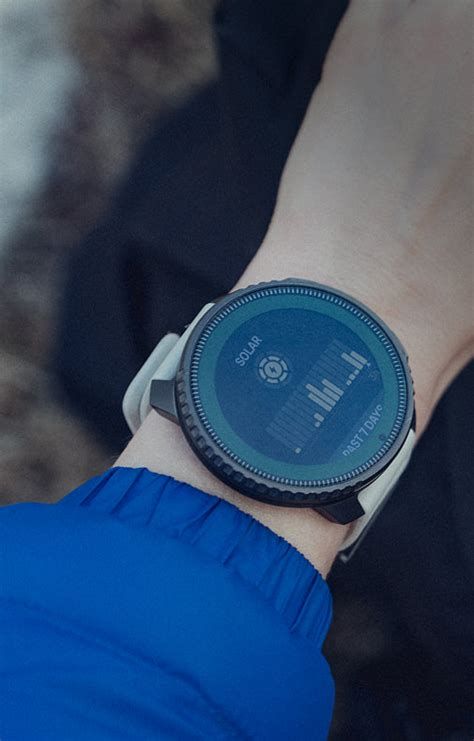
After several months of use the watch shows some signs of real-world wear. I have a couple of very faint scratches on the bezel from rigging and tank bands — not deal-breakers, but a reminder that a daily-wear dive watch will accumulate marks. The display glass has remained impressively scratch-free so far, which speaks well of the coating or glass hardness Suunto used.
Display, interface, and ease of use
The Ocean’s screen is bright enough for daylight and dimmable for night dives. In my experience it’s legible at shallow depths and when the sun is high, and I didn’t find myself chasing higher brightness settings like I do on some watches. The button-driven interface is predictable and easy to learn; I prefer buttons over touchscreens for dive equipment, and here the tactile feedback is reliable even when pressing through thick neoprene.
One small gripe: menu nesting can be a touch deep for some settings. I found myself re-mapping a few favorite shortcuts so I could get to dive logs and compass quickly. That’s minor and reversible with a few minutes in the settings menu, but if you want instant access to one or two screens you’ll want to set it up the way I did.
Battery life — realistic expectations
Battery is where real-world usage diverges from marketing claims. In daily smartwatch mode with notifications on, sleep tracking, and a couple of workouts per week, I regularly got 8–10 days between charges. When I used GPS for long open-water swims (1–2 hours each) the drain was noticeable but manageable; a weekend with a couple of swims and a dive day left me around 40–55% when I returned home.
Dive mode is the biggest battery consumer. For a full day of multiple dives (3–4 dives of average 35–60 minutes bottom-time combined) I would typically want to start the day with at least 60–80% battery to be safe. If you enable continuous Bluetooth or live data streaming to a companion device, expect heavier drain. For long trips I turned on power-saving profiles and disabled constant Bluetooth and vibration to make the battery stretch.
Shop the latest Electronics picks on Amazon.
View Offers →Charging speed is decent — going from about 10% to full takes roughly 90 minutes on a wall charger. I appreciated that a quick 15–20 minute top-up before a dive day would often add enough juice for two short dives.
Sensors and performance: GPS, heart rate, and dive functions
GPS performance for me has been solid. Lock times are competitive and track accuracy for open-water swims and runs has been acceptable. I compared the Ocean’s GPS tracks with a handheld GPS on a few occasions; shore-to-shore distances were within a couple percent, and route shape was accurate enough for post-activity analysis.
Wrist heart rate is a mixed bag — largely due to the nature of optical sensors, not unique to Suunto. On steady-state runs and workouts the wrist HR agreed well with the chest strap I use as a reference (within 3–5 bpm for most of the session). During high-intensity intervals and rapid pace changes the watch lagged and smoothed values more than the chest strap did. Underwater heart rate readings were unreliable on every device I've tried, so I didn’t expect great wrist readings while submerged. If you need accurate dive HR, plan to use an approved chest/wet-suit sensor instead.
Dive-specific tools are where the Ocean shines for hobby divers. The dive planner is easy to use, and gas-switch prompts were clear and timely in the scenarios I tested. I liked the logged summary after each dive: depth profile, tissue loading, and safety stop reminders were all present and readable without post-processing. For tech divers who need complex decompression planning or integrated multiple-gas management at deeper depths, I’d still recommend dedicated dive computers from specialized manufacturers — the Ocean is targeted toward advanced recreational divers and excels there.
Software and app experience
When I bought the Ocean the companion app had a few rough edges; over the nine months Suunto issued several firmware update…Syncing is generally automatic and reliable, but occasionally I had to force a manual sync to see a newly logged dive on my phone. When a firmware update landed, the install process was straightforward. I do wish the app had more advanced route-planning tools baked in, but you can export and edit GPX routes if you prefer external route planners.
What I liked — practical positives based on months of use
- Solid build and comfortable ergonomics for daily wear and diving.
- Legible display in bright daylight and dim enough for night dives.
- Button-driven interface that works reliably with gloves and wet hands.
- Strong dive feature set for recreational and advanced recreational divers.
- Good battery life in daily mode and manageable drain in mixed-use scenarios.
- Active firmware updates during my ownership that improved features and stability.
What bothered me — honest disappointments
- Wrist heart rate lag during high-intensity intervals; use a chest strap if you care about minute-by-minute accuracy.
- Software app still lacks some advanced planning features I’d expect in 2026 — GPX export exists, but route creation is a bit clunky in-app.
- Menu depth required some customization to reach frequently used screens quickly.
- Minor bezel scuffs after months of daily wear — not a functional issue, but worth noting for those who want showroom looks.
Pros & Cons
Pros
- Versatile dive and daily features — works equally well as a dive watch and everyday smartwatch.
- Reliable build — robust case and button system that survives real-world use.
- Good battery life — days of typical use, with configurable power modes for trips.
- Active firmware support — saw meaningful improvements over the months I owned it.
Cons
- Wrist HR limitations — not ideal for interval-heavy athletes who need precise HR data.
- App feature gaps — some planning and analytics features still lag the competition.
- Shows wear — bezel scuffs appeared with normal-old-gear handling.
Comparison: Suunto Ocean vs. other popular options (at-a-glance)
| Feature | Suunto Ocean | Garmin Descent (comparable model) | Suunto D-series / simpler dive watch |
|---|---|---|---|
| Primary focus | Blend of everyday smartwatch + recreational dive features | More navigation features and deep smartwatch integration | Dedicated dive computer with simplified watch features |
| Build & durability | Robust; shows light wear over time | Very rugged; often heavier | Highly durable, often slimmer for dive use |
| Battery (real-world mixed use) | 8–10 days typical; heavy-use dive day requires top-up | Similar or slightly better depending on mode | Long battery in dive-only profiles; less in smartwatch mode |
| Software & ecosystem | Good, improving; app could use more planning tools | Very mature ecosystem with mapping and routes | Simpler app, focused on dive logs and safety |
| HR accuracy (wrist) | Good for steady states; lags on intervals | Comparable; chest strap recommended for accuracy | Less emphasis on wrist HR — usually not core |
| Best for | Active divers who want an everyday watch | Users who want advanced navigation and smartwatch features | Pure divers who want a traditional dive computer experience |
Buying guide — what to consider before you buy
If you’re thinking about the Suunto Ocean in 2026, here are the key things I’d recommend checking based on my use:
1) Your primary use case
Decide whether you want a watch that’s primarily a dive tool, a daily smartwatch that can dive, or a true hybrid. I found the Ocean best as a hybrid: strong dive features without feeling like a bulky dive-only computer.
2) Battery needs
Think about how many consecutive dive days you’ll do and whether you’ll have charging access. If you routinely do multi-day dive trips without chargers, check power-saving modes and plan to bring a power bank. For day-to-day users who top up overnight, the Ocean’s battery is excellent.
Discover deals on Electronics — updated daily.
See Deals →3) Sensor strategy
If you require highly accurate heart rate during high-intensity training, plan to pair the watch with a chest strap. For surface GPS and route tracking, the Ocean performed well for me, but if you need sub-meter precision for professional mapping, consider dedicated GPS units.
4) App and firmware expectations
Look at the manufacturer’s recent firmware cadence. During my ownership Suunto delivered meaningful updates — that matters. If you buy a device with a stagnant update history, you’re likely to be stuck with early flaws.
5) Comfort and straps
Try the strap before you commit if possible. I swapped to a softer strap for all-day comfort, and I’m glad I kept the original strap for heavier dive days. Consider aftermarket strap options if you want a bespoke fit.
6) Resale and support
Check warranty length and local service options. I found Suunto support responsive for a firmware question I had, and that made a difference in my satisfaction.
Final verdict — is the Suunto Ocean still worth it in 2026?
After nine months of real-world usage, my answer is: yes, the Suunto Ocean is still a strong choice in 2026 if you want a capable hybrid that blends everyday smartwatch features with solid recreational dive tools. In my experience it balances durability, usability, and battery life better than many single-purpose devices. The things that bothered me — wrist HR lag during intense intervals and a companion app that could use deeper route-planning features — are real, but manageable depending on your priorities.
If you dive regularly and want one device on your wrist for both commute and ocean, the Ocean delivered reliable performance for me. If your priorities are pro-level decompression planning, professional gas integration, or pro-grade underwater heart monitoring, look toward dedicated technical dive computers or add-on sensors. For most recreational divers who also want a watch they can wear every day, I found the Ocean to be impressively versatile and a device I was happy to travel and dive with.
In short: I've been using it for months, it mostly did what I needed, and when it fell short I could work around it without spoiling the core experience. That consistency is what makes me recommend it to friends who ask — with the usual caveats about sensor pairing and app expectations.